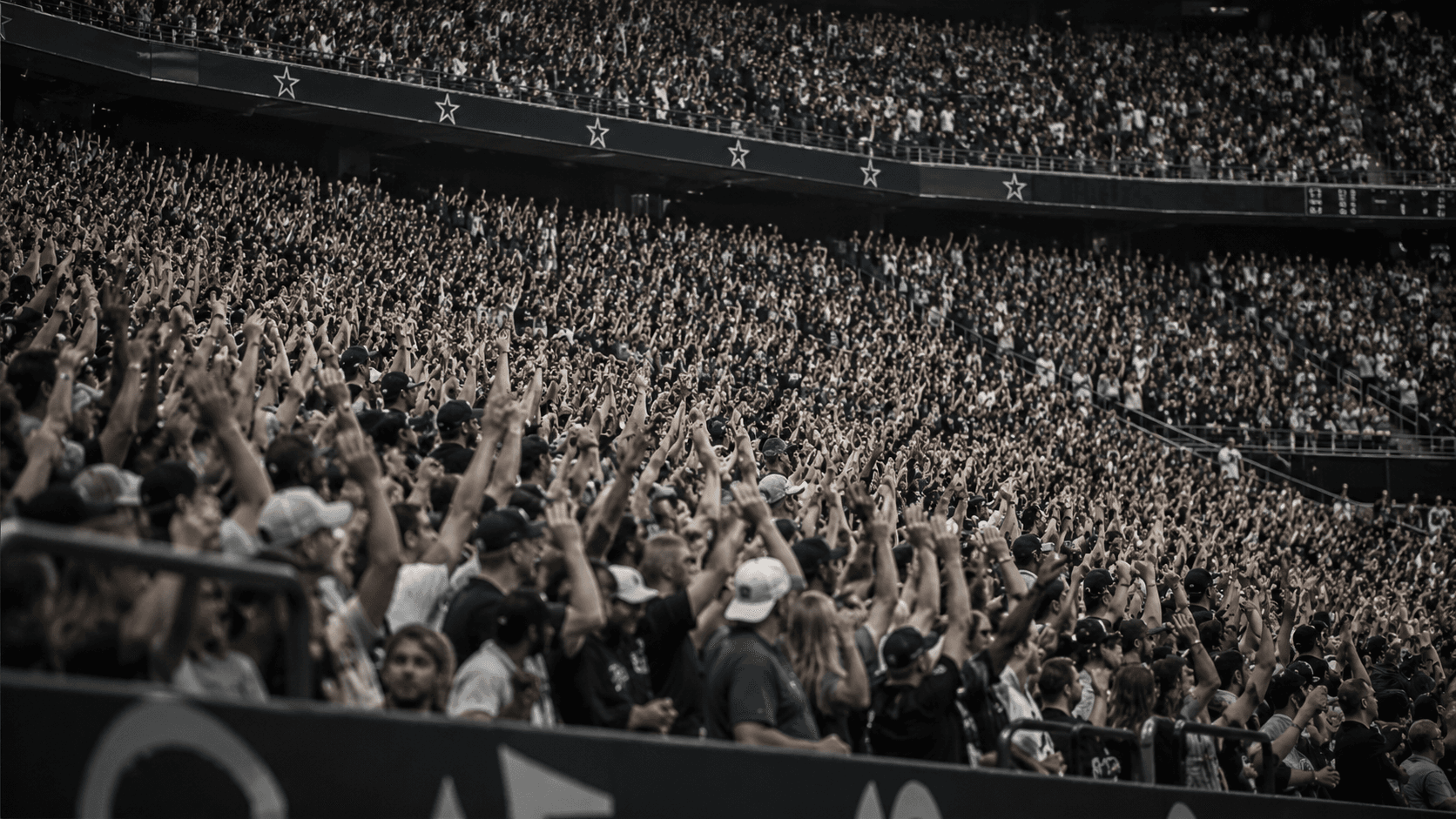
World Cup Scorebug
A two-plate broadcast scorebug built for tournament coverage: a fixed near-black chassis carries bindable team codes and scores with kit-color identity dots, while a separate match-time module holds the operator-run clock and stoppage readout. Red-card indicators and a full-width GOAL celebration sit ready as operator-triggered elements, so the graphic can react live to cards and goals the instant they happen.
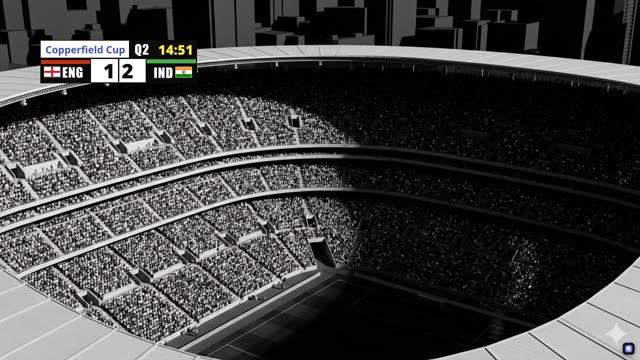
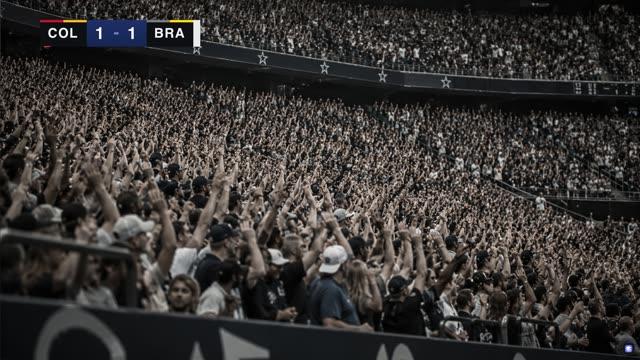
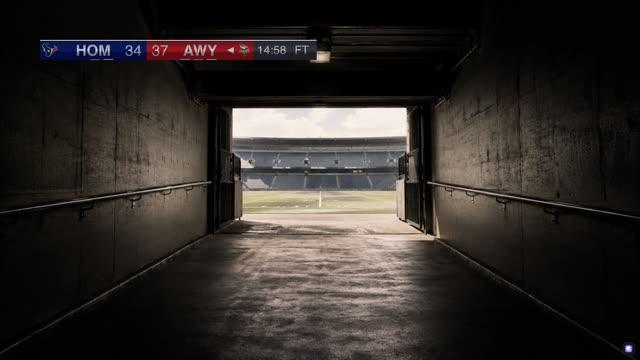
A soccer scorebug is the on-screen graphic overlay — usually positioned top-left or top-center — that displays the live match score, team names or crests, and match clock throughout a broadcast or stream. It stays visible for the duration of the game, giving viewers a constant read on the score without cutting away from the action.
- •Team names, crests, or abbreviations
- •Live score
- •Match clock / stoppage time
- •Period or half indicator
- •Optional: card trackers, possession stats, sponsor branding
- 01Choose a scorebug templateStart from a pre-built layout instead of designing from scratch.
- 02Customize team info and brandingSwap in team names, crests, and colors to match the fixture.
- 03Connect live data (optional)Link the scorebug to a live data feed so score and clock update automatically, or update the score manually in real time through an operator control panel.
- 04Add animationApply intro/outro motion so the bug animates on and off screen instead of just cutting in.
- 05Publish to your playout or streaming softwareCloudMonet gives you an output URL for the scorebug. Add it as a Browser Source in OBS or vMix, then position it on your live output.
- 06Run the showUse the operator control panel to update the graphic live as the match progresses: scores, red cards, goals, and other in-game events.
Two-plate layout keeps the clock a secondary instrument
The team/score plate and the match-time module (clock plus stoppage/added-time readout) are separate composite frames rather than one combined bar. The operator — and the viewer — reads the score first; the clock is legible but doesn't compete with it for attention.
Kit-color dots carry team identity, the chassis stays fixed
`homeColor` and `awayColor` bind only to the small kit-color dots beside each team code. The plate fill itself stays a fixed near-black (#0A0A0A) regardless of which two teams are playing, so contrast against any pitch-side backdrop stays predictable — the dots do the identity work, not the chassis.
Match clock and stoppage timer are operator-driven, not feed-bound
Both are `timer` widgets in Stopwatch mode (`timerMode: "countup"`) with no data binding and nothing exposed on the Bind tab. A soccer clock doesn't tick monotonically from kickoff — stoppage, half-time, restarts — so the operator runs both entirely through the Control App's built-in Start/Pause/Reset/Nudge card, the same way they'd run a physical match clock.
Red cards and the GOAL burst are ad-hoc, not scheduled
Each red-card slot (up to four per side) and the full-width GOAL celebration are marked as ad-hoc operator content. The graphic sits quietly in its resting state until the operator flags a card or a goal is scored — neither is timed off a data feed or a pre-authored schedule.
Ready to use this template?
Open it in the CloudMonet editor to customize and export.